
- Infomatrix Asia is an international innovation competition that has been a platform for young minds in technology, science, and digital arts for over a decade.
- Dedicated to promoting collaboration and creative excellence in IT, science, and entrepreneurship on a global scale.
- Supported by the Ministry of Education of the Republic of Kazakhstan and the BILIM-INNOVATION International Foundation.

AI Programming
Students must develop an application that is useful for society, easy to use, and reliable. The purpose of this category is to evaluate participants’ skills in computer programming. They should be able to implement various algorithms and data structures, as well as solve complex problems. Participants may use any programming or scripting language, including C++, Java, Pascal, Python, or PHP.
This year, the competition especially encourages projects focused on artificial intelligence (AI), as the rapid development of this field has a significant impact on society. Such projects are highly relevant, and the committee may give preference to solutions that integrate AI. However, traditional projects that meet the competition requirements and demonstrate social value will also be considered.
AI Hackathon
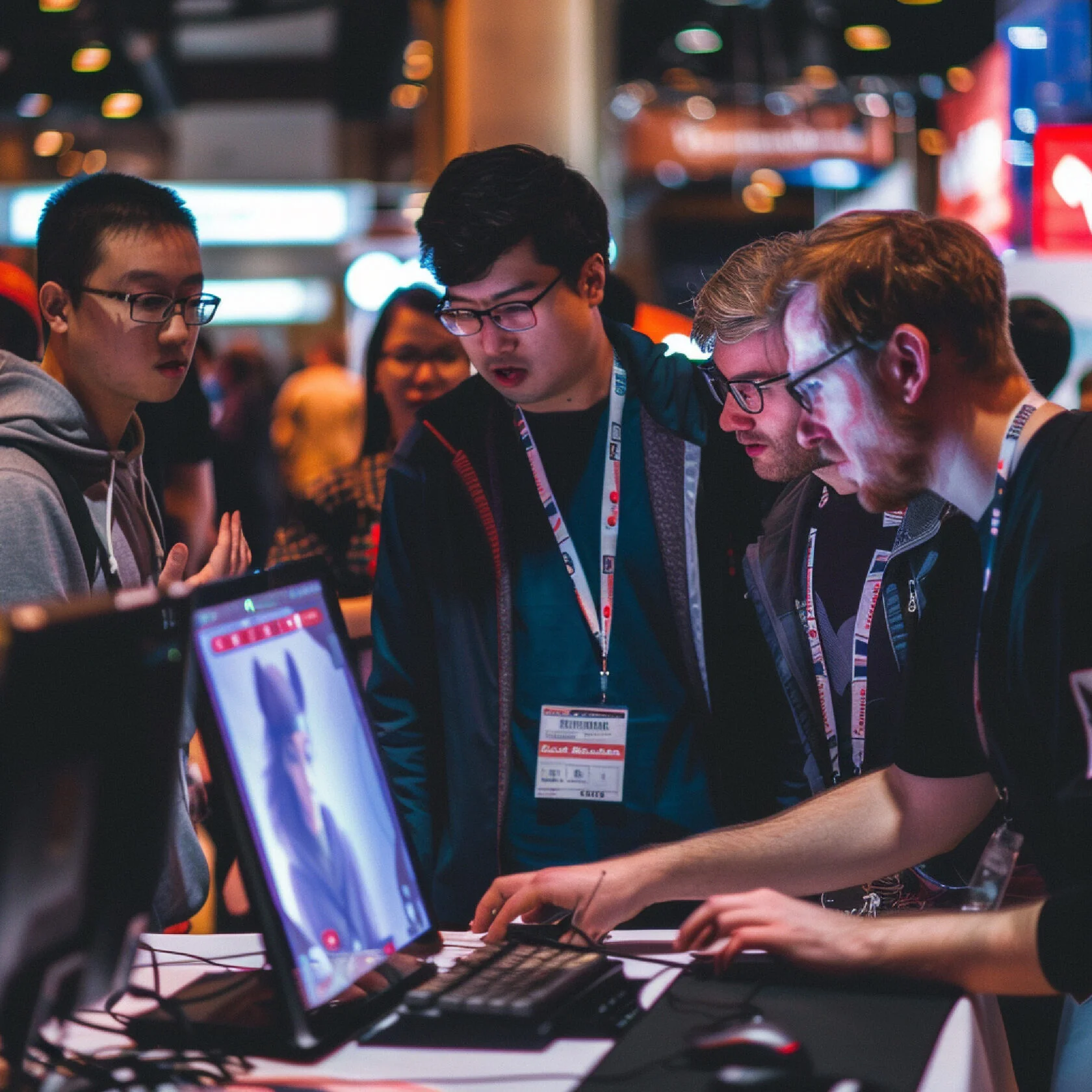
At INFOMATRIX-ASIA, the AI Hackathon has become one of the key highlights of the competition. It offers students a unique opportunity to showcase their programming and development skills while integrating the latest artificial intelligence technologies into their projects.
The hackathon allows participants to collaborate with experienced mentors and AI specialists, helping them unlock their potential and refine their solutions. Students are required to present fully functional projects with CRUDL (Create, Read, Update, Delete, List) capabilities, as outlined in the documentation. In the initial stage, teams submit their projects online without AI components. During the Final stage, AI features will be assigned randomly and must be integrated into the project on-site.

Startup Pitch
The Startup Pitch category at Infomatrix Asia is designed to inspire young innovators to develop and present real business ideas. This format provides students with a platform to demonstrate their entrepreneurial mindset, problem-solving skills, and business understanding. In addition, participants will have the opportunity to consult with leading mentors and attract the attention of industry leaders.
Participants are expected to identify a specific market problem, develop an innovative business solution, conduct market research, and create a minimum viable product (MVP) or prototype. They will present their startup ideas in a structured pitch deck format to investors, business leaders, and jury members, simulating a real investment scenario.
Hardware Control
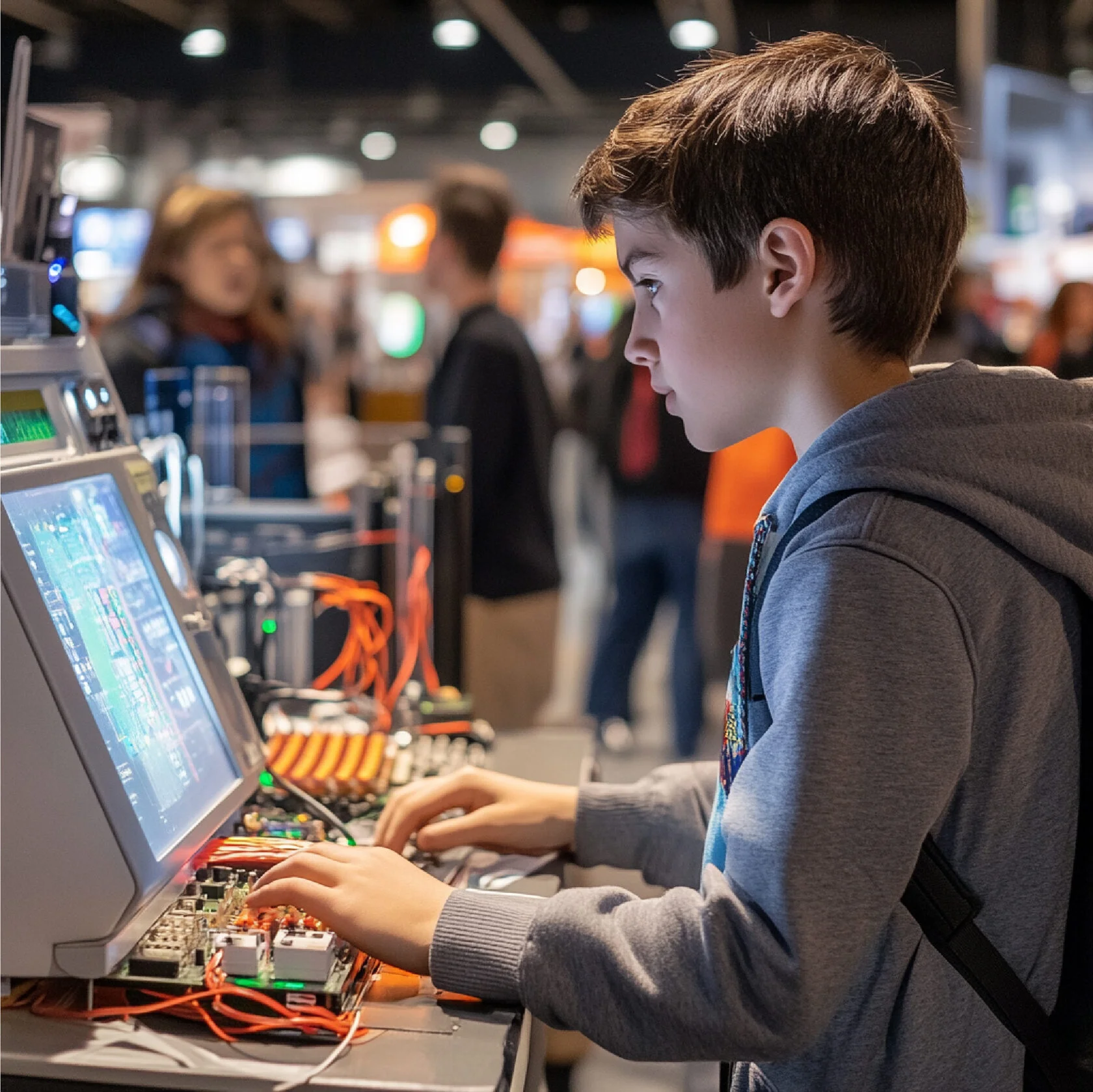
The Hardware Control category at Infomatrix Asia is designed to encourage students to combine programming skills with engineering creativity by developing projects that interact with electronic or mechanical devices. Participants are expected to design and implement a working system where software directly controls or communicates with hardware components.
Projects may include robotics, automation systems, IoT solutions, or other creative devices that provide real-world benefits. Students must present their work through detailed documentation, a functional prototype, and a stand presentation to the jury.

Applied Science
The Applied Science category at Infomatrix Asia is designed to inspire students to use scientific principles and research methods to solve real-world problems. This format provides participants with an opportunity to demonstrate their knowledge in fields such as physics, chemistry, biology, mathematics, or environmental science, while showcasing their ability to apply theory to practice.
Participants are expected to conduct research, design experiments, and develop innovative solutions that address societal, environmental, or technological challenges. Projects may include prototypes, experiments, or models supported by clear documentation and scientific analysis.
Arduino Hackathon
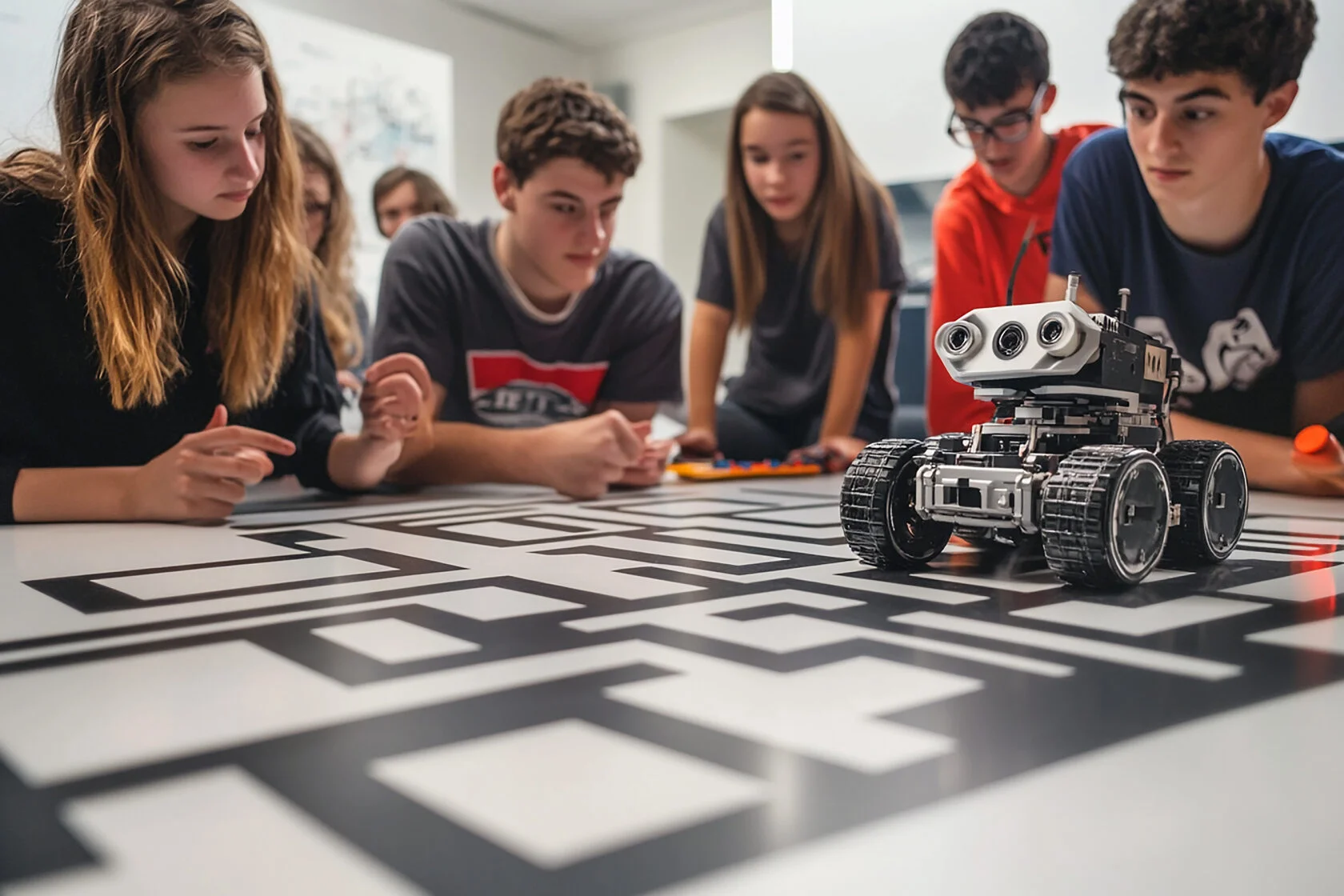
The Arduino Hackathon category at Infomatrix Asia is designed to challenge students to apply their programming and engineering skills in a fast-paced, hands-on competition. Using Arduino-based kits, participants must design, build, and program functional devices that solve specific tasks within a limited timeframe.
Students are expected to demonstrate creativity, teamwork, and technical knowledge while assembling and coding their projects. Typical tasks may include building robots, automated systems, or interactive devices that integrate sensors, motors, and controllers.

Computer Art AI
The Computer Art with AI category at Infomatrix Asia is designed to inspire students to explore the intersection of creativity and technology by using digital tools and artificial intelligence to produce original artwork. This category provides a platform for participants to demonstrate their artistic vision, technical proficiency, and ability to integrate innovative AI techniques into the creative process.
Participants are expected to create digital art, animations, or 3D visualizations that incorporate AI-generated elements or AI-assisted tools. Projects may include unique visual concepts, algorithm-based designs, or artworks enhanced through machine learning models.

Short Movie
The Short Movie category at Infomatrix Asia is designed to encourage students to express their creativity and storytelling skills through film. This category provides a platform for participants to demonstrate their abilities in directing, shooting, and editing, while delivering a meaningful message through visual storytelling.
Participants are expected to create an original short film of 3–5 minutes in length based on one of the given themes. Projects should showcase technical proficiency in cinematography, sound design, and editing, as well as originality and emotional impact.
Drone Soccer
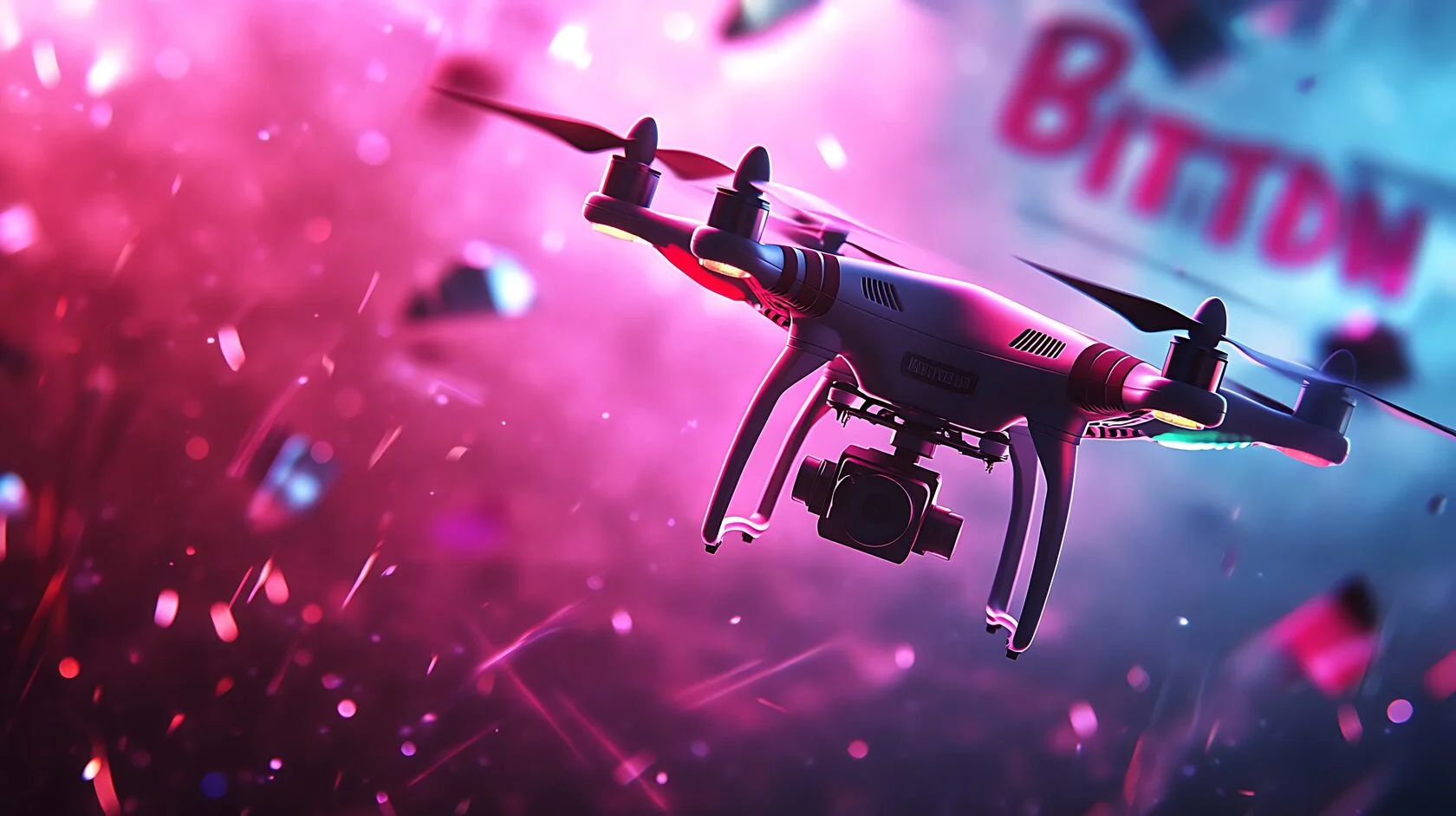
Drone Soccer is an exciting robotics competition where students control drones in a game similar to soccer. Two teams face each other inside a protected arena, trying to score goals by flying their drones through the opponent’s net.The challenge tests not only piloting skills but also teamwork, strategy, and quick decision-making. Each match is fast-paced, requiring coordination and communication between team members.
The goal of Drone Soccer is to combine the thrill of sports with the innovation of technology, inspiring students to develop interest in engineering, robotics, and aviation while having fun in a competitive environment.





- corporate finance
- regulatory issues and compliance
- bonds
- derivatives
- placement and listing of securities
- UCITs and non-UCITs funds
- financial restructuring
- project finance
- choice of corporate form
- start-up companies
- corporate governance
- corporate ownership and management
- shareholder agreements
- reorganizations
- joint ventures
- drafting shareholder agreements
- legal expertise of commercial agreements
- litigation
- research and legal opinions
- peaceful settlements
- tax structures
- VAT
- customs and excise duties
- transfer pricing
- double taxation treaties
- capital controls
- cross-border tax issues
it@bil.edu.kz
Koshkarbaeva 11/2, Akmola,
Astana, Kazakhstan
